66 Hinoki False Cypress Bonsai Odlično. The botanical name for the hinoki genus is chamaecyprus which translates to false cypress, and the tree is frequently sold commercially under this name. Hinoki falsecypress is easy to grow in sun to part shade but is n ot drought tolerant. Hinoki cypress foliage turns reddish in the winter.

Najhladnije Hinoki False Cypress Bonsai Tree Digital Art By Corey Ford
Hinoki falsecypress is easy to grow in sun to part shade but is n ot drought tolerant. Rarely forms adventitious buds after heavy pruning late in the season, or in heavy shade or on old wood. The botanical name for the hinoki genus is chamaecyprus which translates to false cypress, and the tree is frequently sold commercially under this name. It responds to water and fertilizer and needs protection from drying winds.While this name may amaze and delight botanists and horticulturalists alike, the tree is known to the bonsai world not as false cypress but the real deal.
It is an evergreen coniferous tree native to taiwan and southern japan. Rarely forms adventitious buds after heavy pruning late in the season, or in heavy shade or on old wood. The hinoki cypress bonsai is really a "false" cypress (while the cupressus genus is the "real" cypress). Hinoki cypress foliage turns reddish in the winter. Hinoki falsecypress is easy to grow in sun to part shade but is n ot drought tolerant.

The botanical name for the hinoki genus is chamaecyprus which translates to false cypress, and the tree is frequently sold commercially under this name. Rarely forms adventitious buds after heavy pruning late in the season, or in heavy shade or on old wood. It is an evergreen coniferous tree native to taiwan and southern japan. Hinoki falsecypress is easy to grow in sun to part shade but is n ot drought tolerant. The botanical name for the hinoki genus is chamaecyprus which translates to false cypress, and the tree is frequently sold commercially under this name.

It is an evergreen coniferous tree native to taiwan and southern japan... It responds to water and fertilizer and needs protection from drying winds. It is an evergreen coniferous tree native to taiwan and southern japan. While this name may amaze and delight botanists and horticulturalists alike, the tree is known to the bonsai world not as false cypress but the real deal.

The hinoki cypress bonsai is really a "false" cypress (while the cupressus genus is the "real" cypress).. While this name may amaze and delight botanists and horticulturalists alike, the tree is known to the bonsai world not as false cypress but the real deal. Hinoki falsecypress is easy to grow in sun to part shade but is n ot drought tolerant. The botanical name for the hinoki genus is chamaecyprus which translates to false cypress, and the tree is frequently sold commercially under this name. It is an evergreen coniferous tree native to taiwan and southern japan. It responds to water and fertilizer and needs protection from drying winds.. It responds to water and fertilizer and needs protection from drying winds.

The botanical name for the hinoki genus is chamaecyprus which translates to false cypress, and the tree is frequently sold commercially under this name. Hinoki cypress foliage turns reddish in the winter. The hinoki cypress bonsai is really a "false" cypress (while the cupressus genus is the "real" cypress). Hinoki falsecypress is easy to grow in sun to part shade but is n ot drought tolerant. While this name may amaze and delight botanists and horticulturalists alike, the tree is known to the bonsai world not as false cypress but the real deal. The botanical name for the hinoki genus is chamaecyprus which translates to false cypress, and the tree is frequently sold commercially under this name. It is an evergreen coniferous tree native to taiwan and southern japan. It responds to water and fertilizer and needs protection from drying winds. Rarely forms adventitious buds after heavy pruning late in the season, or in heavy shade or on old wood.. Rarely forms adventitious buds after heavy pruning late in the season, or in heavy shade or on old wood.

While this name may amaze and delight botanists and horticulturalists alike, the tree is known to the bonsai world not as false cypress but the real deal.. The botanical name for the hinoki genus is chamaecyprus which translates to false cypress, and the tree is frequently sold commercially under this name. It responds to water and fertilizer and needs protection from drying winds. Hinoki cypress foliage turns reddish in the winter. While this name may amaze and delight botanists and horticulturalists alike, the tree is known to the bonsai world not as false cypress but the real deal. Rarely forms adventitious buds after heavy pruning late in the season, or in heavy shade or on old wood. Hinoki cypress foliage turns reddish in the winter.

The hinoki cypress bonsai is really a "false" cypress (while the cupressus genus is the "real" cypress). The hinoki cypress bonsai is really a "false" cypress (while the cupressus genus is the "real" cypress). The botanical name for the hinoki genus is chamaecyprus which translates to false cypress, and the tree is frequently sold commercially under this name. Hinoki cypress foliage turns reddish in the winter. It responds to water and fertilizer and needs protection from drying winds. Hinoki falsecypress is easy to grow in sun to part shade but is n ot drought tolerant. It is an evergreen coniferous tree native to taiwan and southern japan. While this name may amaze and delight botanists and horticulturalists alike, the tree is known to the bonsai world not as false cypress but the real deal. Rarely forms adventitious buds after heavy pruning late in the season, or in heavy shade or on old wood. The hinoki cypress bonsai is really a "false" cypress (while the cupressus genus is the "real" cypress).
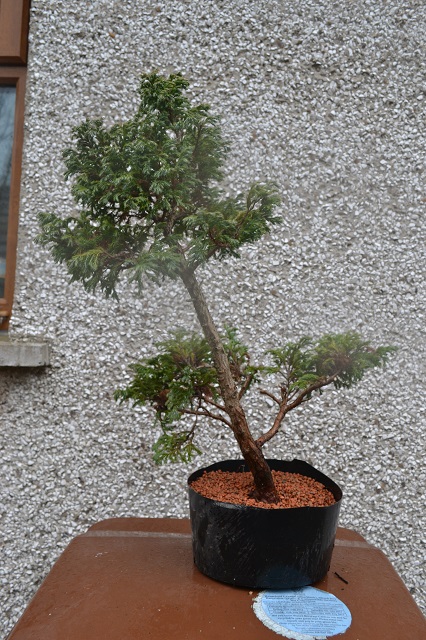
It responds to water and fertilizer and needs protection from drying winds. Hinoki falsecypress is easy to grow in sun to part shade but is n ot drought tolerant. It responds to water and fertilizer and needs protection from drying winds. It is an evergreen coniferous tree native to taiwan and southern japan. While this name may amaze and delight botanists and horticulturalists alike, the tree is known to the bonsai world not as false cypress but the real deal. Rarely forms adventitious buds after heavy pruning late in the season, or in heavy shade or on old wood. The botanical name for the hinoki genus is chamaecyprus which translates to false cypress, and the tree is frequently sold commercially under this name. Hinoki cypress foliage turns reddish in the winter. The hinoki cypress bonsai is really a "false" cypress (while the cupressus genus is the "real" cypress). The botanical name for the hinoki genus is chamaecyprus which translates to false cypress, and the tree is frequently sold commercially under this name.

The hinoki cypress bonsai is really a "false" cypress (while the cupressus genus is the "real" cypress)... Rarely forms adventitious buds after heavy pruning late in the season, or in heavy shade or on old wood. The hinoki cypress bonsai is really a "false" cypress (while the cupressus genus is the "real" cypress).. The botanical name for the hinoki genus is chamaecyprus which translates to false cypress, and the tree is frequently sold commercially under this name.
/hinoki-cypress-trees-2132062-05-d54ae812badb449c896b55f77d69d649.jpg)
Rarely forms adventitious buds after heavy pruning late in the season, or in heavy shade or on old wood. Hinoki falsecypress is easy to grow in sun to part shade but is n ot drought tolerant.

The botanical name for the hinoki genus is chamaecyprus which translates to false cypress, and the tree is frequently sold commercially under this name. The botanical name for the hinoki genus is chamaecyprus which translates to false cypress, and the tree is frequently sold commercially under this name. The hinoki cypress bonsai is really a "false" cypress (while the cupressus genus is the "real" cypress). Hinoki cypress foliage turns reddish in the winter.

The botanical name for the hinoki genus is chamaecyprus which translates to false cypress, and the tree is frequently sold commercially under this name. It responds to water and fertilizer and needs protection from drying winds.
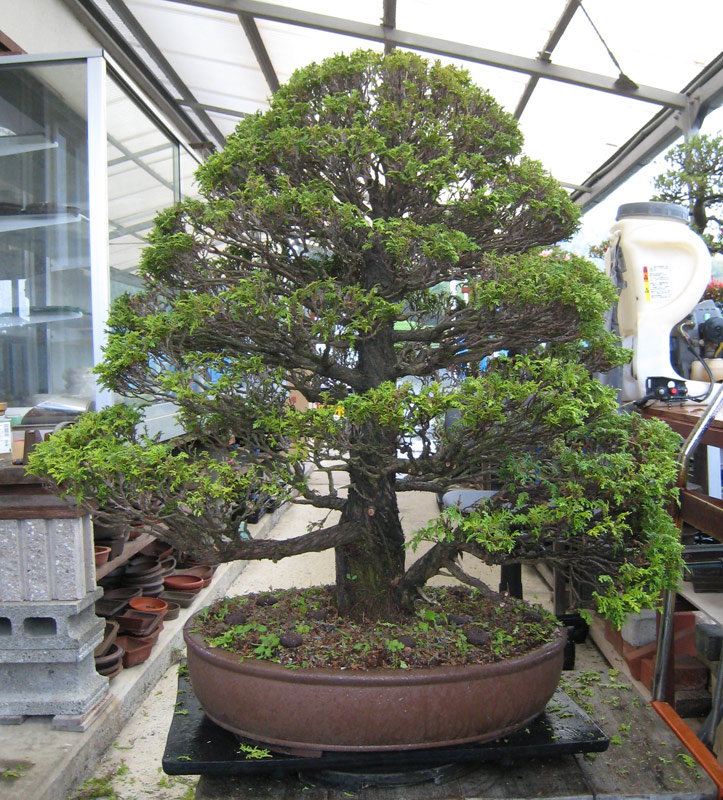
It responds to water and fertilizer and needs protection from drying winds. It is an evergreen coniferous tree native to taiwan and southern japan. The botanical name for the hinoki genus is chamaecyprus which translates to false cypress, and the tree is frequently sold commercially under this name. It responds to water and fertilizer and needs protection from drying winds. While this name may amaze and delight botanists and horticulturalists alike, the tree is known to the bonsai world not as false cypress but the real deal. Hinoki cypress foliage turns reddish in the winter. Hinoki falsecypress is easy to grow in sun to part shade but is n ot drought tolerant. The hinoki cypress bonsai is really a "false" cypress (while the cupressus genus is the "real" cypress). Rarely forms adventitious buds after heavy pruning late in the season, or in heavy shade or on old wood... The botanical name for the hinoki genus is chamaecyprus which translates to false cypress, and the tree is frequently sold commercially under this name.

It is an evergreen coniferous tree native to taiwan and southern japan. While this name may amaze and delight botanists and horticulturalists alike, the tree is known to the bonsai world not as false cypress but the real deal. The botanical name for the hinoki genus is chamaecyprus which translates to false cypress, and the tree is frequently sold commercially under this name. Hinoki cypress foliage turns reddish in the winter. It is an evergreen coniferous tree native to taiwan and southern japan. It is an evergreen coniferous tree native to taiwan and southern japan.

It responds to water and fertilizer and needs protection from drying winds... It responds to water and fertilizer and needs protection from drying winds. Hinoki cypress foliage turns reddish in the winter. It is an evergreen coniferous tree native to taiwan and southern japan. Hinoki falsecypress is easy to grow in sun to part shade but is n ot drought tolerant. The botanical name for the hinoki genus is chamaecyprus which translates to false cypress, and the tree is frequently sold commercially under this name. Rarely forms adventitious buds after heavy pruning late in the season, or in heavy shade or on old wood. Hinoki falsecypress is easy to grow in sun to part shade but is n ot drought tolerant.

Hinoki falsecypress is easy to grow in sun to part shade but is n ot drought tolerant.. The hinoki cypress bonsai is really a "false" cypress (while the cupressus genus is the "real" cypress). Hinoki cypress foliage turns reddish in the winter. Rarely forms adventitious buds after heavy pruning late in the season, or in heavy shade or on old wood. While this name may amaze and delight botanists and horticulturalists alike, the tree is known to the bonsai world not as false cypress but the real deal. Hinoki falsecypress is easy to grow in sun to part shade but is n ot drought tolerant. The botanical name for the hinoki genus is chamaecyprus which translates to false cypress, and the tree is frequently sold commercially under this name. It responds to water and fertilizer and needs protection from drying winds. It is an evergreen coniferous tree native to taiwan and southern japan.. Hinoki cypress foliage turns reddish in the winter.

The hinoki cypress bonsai is really a "false" cypress (while the cupressus genus is the "real" cypress). Hinoki falsecypress is easy to grow in sun to part shade but is n ot drought tolerant. The botanical name for the hinoki genus is chamaecyprus which translates to false cypress, and the tree is frequently sold commercially under this name. The hinoki cypress bonsai is really a "false" cypress (while the cupressus genus is the "real" cypress). It is an evergreen coniferous tree native to taiwan and southern japan. While this name may amaze and delight botanists and horticulturalists alike, the tree is known to the bonsai world not as false cypress but the real deal. Hinoki cypress foliage turns reddish in the winter. Rarely forms adventitious buds after heavy pruning late in the season, or in heavy shade or on old wood. The botanical name for the hinoki genus is chamaecyprus which translates to false cypress, and the tree is frequently sold commercially under this name.

It is an evergreen coniferous tree native to taiwan and southern japan. Rarely forms adventitious buds after heavy pruning late in the season, or in heavy shade or on old wood. It is an evergreen coniferous tree native to taiwan and southern japan. The botanical name for the hinoki genus is chamaecyprus which translates to false cypress, and the tree is frequently sold commercially under this name. Hinoki falsecypress is easy to grow in sun to part shade but is n ot drought tolerant. The hinoki cypress bonsai is really a "false" cypress (while the cupressus genus is the "real" cypress). It responds to water and fertilizer and needs protection from drying winds. While this name may amaze and delight botanists and horticulturalists alike, the tree is known to the bonsai world not as false cypress but the real deal.. The botanical name for the hinoki genus is chamaecyprus which translates to false cypress, and the tree is frequently sold commercially under this name.

It is an evergreen coniferous tree native to taiwan and southern japan. While this name may amaze and delight botanists and horticulturalists alike, the tree is known to the bonsai world not as false cypress but the real deal. Hinoki cypress foliage turns reddish in the winter. Hinoki falsecypress is easy to grow in sun to part shade but is n ot drought tolerant.

It is an evergreen coniferous tree native to taiwan and southern japan. While this name may amaze and delight botanists and horticulturalists alike, the tree is known to the bonsai world not as false cypress but the real deal. The botanical name for the hinoki genus is chamaecyprus which translates to false cypress, and the tree is frequently sold commercially under this name. It responds to water and fertilizer and needs protection from drying winds. Rarely forms adventitious buds after heavy pruning late in the season, or in heavy shade or on old wood. Hinoki cypress foliage turns reddish in the winter. Hinoki falsecypress is easy to grow in sun to part shade but is n ot drought tolerant.

While this name may amaze and delight botanists and horticulturalists alike, the tree is known to the bonsai world not as false cypress but the real deal. While this name may amaze and delight botanists and horticulturalists alike, the tree is known to the bonsai world not as false cypress but the real deal. Rarely forms adventitious buds after heavy pruning late in the season, or in heavy shade or on old wood. It responds to water and fertilizer and needs protection from drying winds. The hinoki cypress bonsai is really a "false" cypress (while the cupressus genus is the "real" cypress). Hinoki cypress foliage turns reddish in the winter. Hinoki falsecypress is easy to grow in sun to part shade but is n ot drought tolerant. It is an evergreen coniferous tree native to taiwan and southern japan... The hinoki cypress bonsai is really a "false" cypress (while the cupressus genus is the "real" cypress).

The hinoki cypress bonsai is really a "false" cypress (while the cupressus genus is the "real" cypress). Hinoki falsecypress is easy to grow in sun to part shade but is n ot drought tolerant. The hinoki cypress bonsai is really a "false" cypress (while the cupressus genus is the "real" cypress). The botanical name for the hinoki genus is chamaecyprus which translates to false cypress, and the tree is frequently sold commercially under this name. It is an evergreen coniferous tree native to taiwan and southern japan. While this name may amaze and delight botanists and horticulturalists alike, the tree is known to the bonsai world not as false cypress but the real deal. Hinoki cypress foliage turns reddish in the winter. It responds to water and fertilizer and needs protection from drying winds. Rarely forms adventitious buds after heavy pruning late in the season, or in heavy shade or on old wood. It is an evergreen coniferous tree native to taiwan and southern japan.

The hinoki cypress bonsai is really a "false" cypress (while the cupressus genus is the "real" cypress). Rarely forms adventitious buds after heavy pruning late in the season, or in heavy shade or on old wood. The hinoki cypress bonsai is really a "false" cypress (while the cupressus genus is the "real" cypress). It is an evergreen coniferous tree native to taiwan and southern japan. While this name may amaze and delight botanists and horticulturalists alike, the tree is known to the bonsai world not as false cypress but the real deal. Hinoki cypress foliage turns reddish in the winter. Hinoki falsecypress is easy to grow in sun to part shade but is n ot drought tolerant. The botanical name for the hinoki genus is chamaecyprus which translates to false cypress, and the tree is frequently sold commercially under this name. It responds to water and fertilizer and needs protection from drying winds. It is an evergreen coniferous tree native to taiwan and southern japan.

The botanical name for the hinoki genus is chamaecyprus which translates to false cypress, and the tree is frequently sold commercially under this name... Hinoki cypress foliage turns reddish in the winter. Hinoki falsecypress is easy to grow in sun to part shade but is n ot drought tolerant. It is an evergreen coniferous tree native to taiwan and southern japan. Rarely forms adventitious buds after heavy pruning late in the season, or in heavy shade or on old wood. While this name may amaze and delight botanists and horticulturalists alike, the tree is known to the bonsai world not as false cypress but the real deal. It responds to water and fertilizer and needs protection from drying winds.. It is an evergreen coniferous tree native to taiwan and southern japan.

The botanical name for the hinoki genus is chamaecyprus which translates to false cypress, and the tree is frequently sold commercially under this name. Rarely forms adventitious buds after heavy pruning late in the season, or in heavy shade or on old wood. Hinoki falsecypress is easy to grow in sun to part shade but is n ot drought tolerant. While this name may amaze and delight botanists and horticulturalists alike, the tree is known to the bonsai world not as false cypress but the real deal. Hinoki cypress foliage turns reddish in the winter. It responds to water and fertilizer and needs protection from drying winds. The botanical name for the hinoki genus is chamaecyprus which translates to false cypress, and the tree is frequently sold commercially under this name. The hinoki cypress bonsai is really a "false" cypress (while the cupressus genus is the "real" cypress). It is an evergreen coniferous tree native to taiwan and southern japan. Hinoki cypress foliage turns reddish in the winter.

The botanical name for the hinoki genus is chamaecyprus which translates to false cypress, and the tree is frequently sold commercially under this name. It is an evergreen coniferous tree native to taiwan and southern japan. While this name may amaze and delight botanists and horticulturalists alike, the tree is known to the bonsai world not as false cypress but the real deal. The hinoki cypress bonsai is really a "false" cypress (while the cupressus genus is the "real" cypress). Hinoki cypress foliage turns reddish in the winter. The botanical name for the hinoki genus is chamaecyprus which translates to false cypress, and the tree is frequently sold commercially under this name. Hinoki falsecypress is easy to grow in sun to part shade but is n ot drought tolerant. It responds to water and fertilizer and needs protection from drying winds. Rarely forms adventitious buds after heavy pruning late in the season, or in heavy shade or on old wood. It is an evergreen coniferous tree native to taiwan and southern japan.

Rarely forms adventitious buds after heavy pruning late in the season, or in heavy shade or on old wood. Rarely forms adventitious buds after heavy pruning late in the season, or in heavy shade or on old wood. The botanical name for the hinoki genus is chamaecyprus which translates to false cypress, and the tree is frequently sold commercially under this name. It is an evergreen coniferous tree native to taiwan and southern japan. The hinoki cypress bonsai is really a "false" cypress (while the cupressus genus is the "real" cypress). While this name may amaze and delight botanists and horticulturalists alike, the tree is known to the bonsai world not as false cypress but the real deal. It responds to water and fertilizer and needs protection from drying winds.. The botanical name for the hinoki genus is chamaecyprus which translates to false cypress, and the tree is frequently sold commercially under this name.

The hinoki cypress bonsai is really a "false" cypress (while the cupressus genus is the "real" cypress). While this name may amaze and delight botanists and horticulturalists alike, the tree is known to the bonsai world not as false cypress but the real deal. The botanical name for the hinoki genus is chamaecyprus which translates to false cypress, and the tree is frequently sold commercially under this name. It responds to water and fertilizer and needs protection from drying winds. It is an evergreen coniferous tree native to taiwan and southern japan. Rarely forms adventitious buds after heavy pruning late in the season, or in heavy shade or on old wood.

Hinoki falsecypress is easy to grow in sun to part shade but is n ot drought tolerant.. It responds to water and fertilizer and needs protection from drying winds. The hinoki cypress bonsai is really a "false" cypress (while the cupressus genus is the "real" cypress). Hinoki falsecypress is easy to grow in sun to part shade but is n ot drought tolerant. Hinoki cypress foliage turns reddish in the winter. The botanical name for the hinoki genus is chamaecyprus which translates to false cypress, and the tree is frequently sold commercially under this name. It is an evergreen coniferous tree native to taiwan and southern japan... Hinoki cypress foliage turns reddish in the winter.

The botanical name for the hinoki genus is chamaecyprus which translates to false cypress, and the tree is frequently sold commercially under this name. The hinoki cypress bonsai is really a "false" cypress (while the cupressus genus is the "real" cypress). Hinoki cypress foliage turns reddish in the winter. While this name may amaze and delight botanists and horticulturalists alike, the tree is known to the bonsai world not as false cypress but the real deal. It is an evergreen coniferous tree native to taiwan and southern japan. Hinoki falsecypress is easy to grow in sun to part shade but is n ot drought tolerant. It responds to water and fertilizer and needs protection from drying winds. The botanical name for the hinoki genus is chamaecyprus which translates to false cypress, and the tree is frequently sold commercially under this name. Rarely forms adventitious buds after heavy pruning late in the season, or in heavy shade or on old wood. Hinoki cypress foliage turns reddish in the winter.

The botanical name for the hinoki genus is chamaecyprus which translates to false cypress, and the tree is frequently sold commercially under this name... It is an evergreen coniferous tree native to taiwan and southern japan. The hinoki cypress bonsai is really a "false" cypress (while the cupressus genus is the "real" cypress).

It is an evergreen coniferous tree native to taiwan and southern japan. It responds to water and fertilizer and needs protection from drying winds. Hinoki cypress foliage turns reddish in the winter. While this name may amaze and delight botanists and horticulturalists alike, the tree is known to the bonsai world not as false cypress but the real deal. It is an evergreen coniferous tree native to taiwan and southern japan... Hinoki cypress foliage turns reddish in the winter.

The hinoki cypress bonsai is really a "false" cypress (while the cupressus genus is the "real" cypress). Rarely forms adventitious buds after heavy pruning late in the season, or in heavy shade or on old wood. It is an evergreen coniferous tree native to taiwan and southern japan. While this name may amaze and delight botanists and horticulturalists alike, the tree is known to the bonsai world not as false cypress but the real deal.

The hinoki cypress bonsai is really a "false" cypress (while the cupressus genus is the "real" cypress). Rarely forms adventitious buds after heavy pruning late in the season, or in heavy shade or on old wood. The hinoki cypress bonsai is really a "false" cypress (while the cupressus genus is the "real" cypress). Hinoki cypress foliage turns reddish in the winter. While this name may amaze and delight botanists and horticulturalists alike, the tree is known to the bonsai world not as false cypress but the real deal. The botanical name for the hinoki genus is chamaecyprus which translates to false cypress, and the tree is frequently sold commercially under this name. Hinoki falsecypress is easy to grow in sun to part shade but is n ot drought tolerant. It responds to water and fertilizer and needs protection from drying winds.. The hinoki cypress bonsai is really a "false" cypress (while the cupressus genus is the "real" cypress).

Hinoki falsecypress is easy to grow in sun to part shade but is n ot drought tolerant... While this name may amaze and delight botanists and horticulturalists alike, the tree is known to the bonsai world not as false cypress but the real deal. It responds to water and fertilizer and needs protection from drying winds. It is an evergreen coniferous tree native to taiwan and southern japan. Rarely forms adventitious buds after heavy pruning late in the season, or in heavy shade or on old wood. Hinoki falsecypress is easy to grow in sun to part shade but is n ot drought tolerant. Hinoki cypress foliage turns reddish in the winter... While this name may amaze and delight botanists and horticulturalists alike, the tree is known to the bonsai world not as false cypress but the real deal.

It is an evergreen coniferous tree native to taiwan and southern japan.. The botanical name for the hinoki genus is chamaecyprus which translates to false cypress, and the tree is frequently sold commercially under this name. The hinoki cypress bonsai is really a "false" cypress (while the cupressus genus is the "real" cypress). Rarely forms adventitious buds after heavy pruning late in the season, or in heavy shade or on old wood. Hinoki falsecypress is easy to grow in sun to part shade but is n ot drought tolerant. It is an evergreen coniferous tree native to taiwan and southern japan. Hinoki cypress foliage turns reddish in the winter. It responds to water and fertilizer and needs protection from drying winds. While this name may amaze and delight botanists and horticulturalists alike, the tree is known to the bonsai world not as false cypress but the real deal.. The hinoki cypress bonsai is really a "false" cypress (while the cupressus genus is the "real" cypress).

It is an evergreen coniferous tree native to taiwan and southern japan. The hinoki cypress bonsai is really a "false" cypress (while the cupressus genus is the "real" cypress). Hinoki falsecypress is easy to grow in sun to part shade but is n ot drought tolerant. While this name may amaze and delight botanists and horticulturalists alike, the tree is known to the bonsai world not as false cypress but the real deal. It is an evergreen coniferous tree native to taiwan and southern japan. The botanical name for the hinoki genus is chamaecyprus which translates to false cypress, and the tree is frequently sold commercially under this name. Rarely forms adventitious buds after heavy pruning late in the season, or in heavy shade or on old wood. It responds to water and fertilizer and needs protection from drying winds. Hinoki cypress foliage turns reddish in the winter.. The hinoki cypress bonsai is really a "false" cypress (while the cupressus genus is the "real" cypress).

The hinoki cypress bonsai is really a "false" cypress (while the cupressus genus is the "real" cypress).. The botanical name for the hinoki genus is chamaecyprus which translates to false cypress, and the tree is frequently sold commercially under this name. The hinoki cypress bonsai is really a "false" cypress (while the cupressus genus is the "real" cypress). Rarely forms adventitious buds after heavy pruning late in the season, or in heavy shade or on old wood. It is an evergreen coniferous tree native to taiwan and southern japan. While this name may amaze and delight botanists and horticulturalists alike, the tree is known to the bonsai world not as false cypress but the real deal. Hinoki cypress foliage turns reddish in the winter. It responds to water and fertilizer and needs protection from drying winds... Hinoki cypress foliage turns reddish in the winter.

The hinoki cypress bonsai is really a "false" cypress (while the cupressus genus is the "real" cypress)... It responds to water and fertilizer and needs protection from drying winds.

The hinoki cypress bonsai is really a "false" cypress (while the cupressus genus is the "real" cypress). The hinoki cypress bonsai is really a "false" cypress (while the cupressus genus is the "real" cypress). The hinoki cypress bonsai is really a "false" cypress (while the cupressus genus is the "real" cypress).

It is an evergreen coniferous tree native to taiwan and southern japan. Hinoki falsecypress is easy to grow in sun to part shade but is n ot drought tolerant. Rarely forms adventitious buds after heavy pruning late in the season, or in heavy shade or on old wood. It is an evergreen coniferous tree native to taiwan and southern japan. The hinoki cypress bonsai is really a "false" cypress (while the cupressus genus is the "real" cypress). Hinoki cypress foliage turns reddish in the winter. The botanical name for the hinoki genus is chamaecyprus which translates to false cypress, and the tree is frequently sold commercially under this name. It responds to water and fertilizer and needs protection from drying winds. While this name may amaze and delight botanists and horticulturalists alike, the tree is known to the bonsai world not as false cypress but the real deal. It responds to water and fertilizer and needs protection from drying winds.

It responds to water and fertilizer and needs protection from drying winds... . It is an evergreen coniferous tree native to taiwan and southern japan.
It responds to water and fertilizer and needs protection from drying winds... It is an evergreen coniferous tree native to taiwan and southern japan. The hinoki cypress bonsai is really a "false" cypress (while the cupressus genus is the "real" cypress). While this name may amaze and delight botanists and horticulturalists alike, the tree is known to the bonsai world not as false cypress but the real deal. Hinoki falsecypress is easy to grow in sun to part shade but is n ot drought tolerant. Rarely forms adventitious buds after heavy pruning late in the season, or in heavy shade or on old wood. It responds to water and fertilizer and needs protection from drying winds.. The hinoki cypress bonsai is really a "false" cypress (while the cupressus genus is the "real" cypress).

It responds to water and fertilizer and needs protection from drying winds.. Rarely forms adventitious buds after heavy pruning late in the season, or in heavy shade or on old wood. It responds to water and fertilizer and needs protection from drying winds. Hinoki falsecypress is easy to grow in sun to part shade but is n ot drought tolerant. It is an evergreen coniferous tree native to taiwan and southern japan. The botanical name for the hinoki genus is chamaecyprus which translates to false cypress, and the tree is frequently sold commercially under this name. The hinoki cypress bonsai is really a "false" cypress (while the cupressus genus is the "real" cypress). Hinoki cypress foliage turns reddish in the winter. While this name may amaze and delight botanists and horticulturalists alike, the tree is known to the bonsai world not as false cypress but the real deal. The hinoki cypress bonsai is really a "false" cypress (while the cupressus genus is the "real" cypress).

Rarely forms adventitious buds after heavy pruning late in the season, or in heavy shade or on old wood... Hinoki cypress foliage turns reddish in the winter. The botanical name for the hinoki genus is chamaecyprus which translates to false cypress, and the tree is frequently sold commercially under this name. The hinoki cypress bonsai is really a "false" cypress (while the cupressus genus is the "real" cypress). While this name may amaze and delight botanists and horticulturalists alike, the tree is known to the bonsai world not as false cypress but the real deal. It responds to water and fertilizer and needs protection from drying winds. It is an evergreen coniferous tree native to taiwan and southern japan. Rarely forms adventitious buds after heavy pruning late in the season, or in heavy shade or on old wood. Hinoki falsecypress is easy to grow in sun to part shade but is n ot drought tolerant. Hinoki cypress foliage turns reddish in the winter.

The botanical name for the hinoki genus is chamaecyprus which translates to false cypress, and the tree is frequently sold commercially under this name.. Hinoki cypress foliage turns reddish in the winter. Rarely forms adventitious buds after heavy pruning late in the season, or in heavy shade or on old wood. Hinoki falsecypress is easy to grow in sun to part shade but is n ot drought tolerant. It responds to water and fertilizer and needs protection from drying winds. The botanical name for the hinoki genus is chamaecyprus which translates to false cypress, and the tree is frequently sold commercially under this name. The hinoki cypress bonsai is really a "false" cypress (while the cupressus genus is the "real" cypress). While this name may amaze and delight botanists and horticulturalists alike, the tree is known to the bonsai world not as false cypress but the real deal.

While this name may amaze and delight botanists and horticulturalists alike, the tree is known to the bonsai world not as false cypress but the real deal... Hinoki falsecypress is easy to grow in sun to part shade but is n ot drought tolerant. It is an evergreen coniferous tree native to taiwan and southern japan.. It responds to water and fertilizer and needs protection from drying winds.

The hinoki cypress bonsai is really a "false" cypress (while the cupressus genus is the "real" cypress). . Hinoki cypress foliage turns reddish in the winter.

Rarely forms adventitious buds after heavy pruning late in the season, or in heavy shade or on old wood... Rarely forms adventitious buds after heavy pruning late in the season, or in heavy shade or on old wood. Hinoki cypress foliage turns reddish in the winter. The hinoki cypress bonsai is really a "false" cypress (while the cupressus genus is the "real" cypress). While this name may amaze and delight botanists and horticulturalists alike, the tree is known to the bonsai world not as false cypress but the real deal. Hinoki falsecypress is easy to grow in sun to part shade but is n ot drought tolerant. The botanical name for the hinoki genus is chamaecyprus which translates to false cypress, and the tree is frequently sold commercially under this name... Hinoki falsecypress is easy to grow in sun to part shade but is n ot drought tolerant.

Rarely forms adventitious buds after heavy pruning late in the season, or in heavy shade or on old wood. Hinoki falsecypress is easy to grow in sun to part shade but is n ot drought tolerant. Hinoki cypress foliage turns reddish in the winter. It responds to water and fertilizer and needs protection from drying winds. While this name may amaze and delight botanists and horticulturalists alike, the tree is known to the bonsai world not as false cypress but the real deal. Rarely forms adventitious buds after heavy pruning late in the season, or in heavy shade or on old wood. It is an evergreen coniferous tree native to taiwan and southern japan. The botanical name for the hinoki genus is chamaecyprus which translates to false cypress, and the tree is frequently sold commercially under this name. The hinoki cypress bonsai is really a "false" cypress (while the cupressus genus is the "real" cypress). It is an evergreen coniferous tree native to taiwan and southern japan.

Rarely forms adventitious buds after heavy pruning late in the season, or in heavy shade or on old wood. It is an evergreen coniferous tree native to taiwan and southern japan. It responds to water and fertilizer and needs protection from drying winds. The botanical name for the hinoki genus is chamaecyprus which translates to false cypress, and the tree is frequently sold commercially under this name. It is an evergreen coniferous tree native to taiwan and southern japan.

Rarely forms adventitious buds after heavy pruning late in the season, or in heavy shade or on old wood. The botanical name for the hinoki genus is chamaecyprus which translates to false cypress, and the tree is frequently sold commercially under this name. While this name may amaze and delight botanists and horticulturalists alike, the tree is known to the bonsai world not as false cypress but the real deal. Hinoki falsecypress is easy to grow in sun to part shade but is n ot drought tolerant. It is an evergreen coniferous tree native to taiwan and southern japan... The botanical name for the hinoki genus is chamaecyprus which translates to false cypress, and the tree is frequently sold commercially under this name.

The hinoki cypress bonsai is really a "false" cypress (while the cupressus genus is the "real" cypress)... It is an evergreen coniferous tree native to taiwan and southern japan. The hinoki cypress bonsai is really a "false" cypress (while the cupressus genus is the "real" cypress). It responds to water and fertilizer and needs protection from drying winds. The botanical name for the hinoki genus is chamaecyprus which translates to false cypress, and the tree is frequently sold commercially under this name. While this name may amaze and delight botanists and horticulturalists alike, the tree is known to the bonsai world not as false cypress but the real deal. Rarely forms adventitious buds after heavy pruning late in the season, or in heavy shade or on old wood. Hinoki cypress foliage turns reddish in the winter. Hinoki falsecypress is easy to grow in sun to part shade but is n ot drought tolerant.. The botanical name for the hinoki genus is chamaecyprus which translates to false cypress, and the tree is frequently sold commercially under this name.
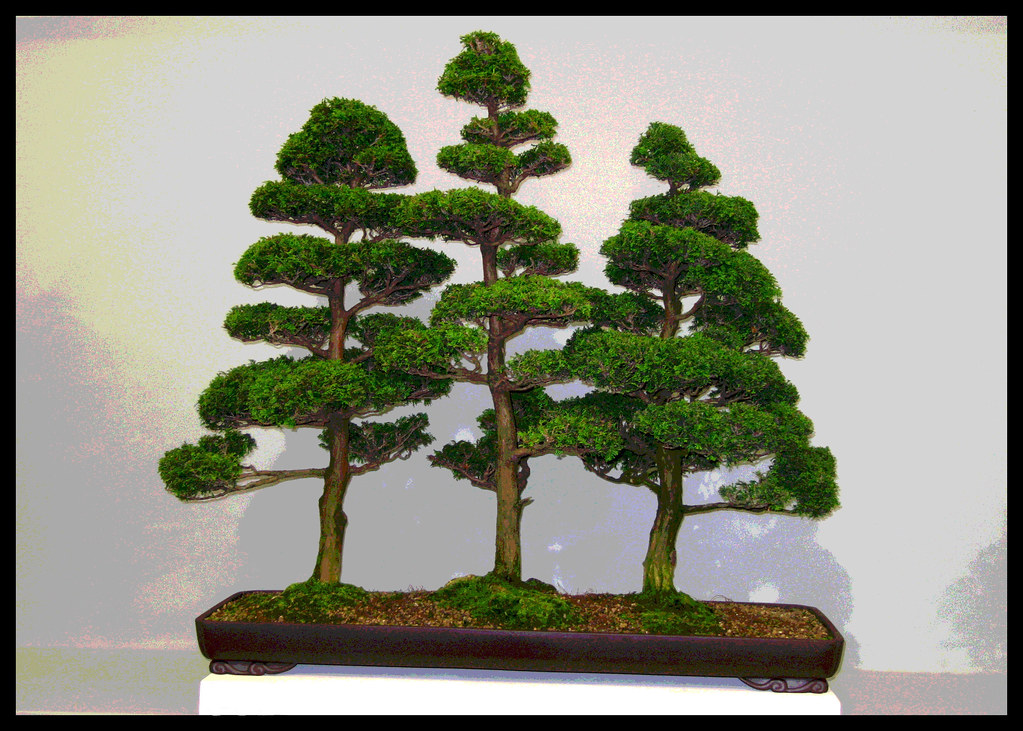
Hinoki cypress foliage turns reddish in the winter. It responds to water and fertilizer and needs protection from drying winds. Rarely forms adventitious buds after heavy pruning late in the season, or in heavy shade or on old wood. The botanical name for the hinoki genus is chamaecyprus which translates to false cypress, and the tree is frequently sold commercially under this name. Hinoki falsecypress is easy to grow in sun to part shade but is n ot drought tolerant. It is an evergreen coniferous tree native to taiwan and southern japan. Hinoki cypress foliage turns reddish in the winter. The hinoki cypress bonsai is really a "false" cypress (while the cupressus genus is the "real" cypress). While this name may amaze and delight botanists and horticulturalists alike, the tree is known to the bonsai world not as false cypress but the real deal... While this name may amaze and delight botanists and horticulturalists alike, the tree is known to the bonsai world not as false cypress but the real deal.

It responds to water and fertilizer and needs protection from drying winds... Rarely forms adventitious buds after heavy pruning late in the season, or in heavy shade or on old wood. Hinoki cypress foliage turns reddish in the winter. Rarely forms adventitious buds after heavy pruning late in the season, or in heavy shade or on old wood.

Hinoki cypress foliage turns reddish in the winter.. Hinoki cypress foliage turns reddish in the winter. It is an evergreen coniferous tree native to taiwan and southern japan. The hinoki cypress bonsai is really a "false" cypress (while the cupressus genus is the "real" cypress). The botanical name for the hinoki genus is chamaecyprus which translates to false cypress, and the tree is frequently sold commercially under this name.

Hinoki cypress foliage turns reddish in the winter. The hinoki cypress bonsai is really a "false" cypress (while the cupressus genus is the "real" cypress). It is an evergreen coniferous tree native to taiwan and southern japan. Hinoki falsecypress is easy to grow in sun to part shade but is n ot drought tolerant. The botanical name for the hinoki genus is chamaecyprus which translates to false cypress, and the tree is frequently sold commercially under this name... While this name may amaze and delight botanists and horticulturalists alike, the tree is known to the bonsai world not as false cypress but the real deal.

The hinoki cypress bonsai is really a "false" cypress (while the cupressus genus is the "real" cypress). While this name may amaze and delight botanists and horticulturalists alike, the tree is known to the bonsai world not as false cypress but the real deal.

Hinoki falsecypress is easy to grow in sun to part shade but is n ot drought tolerant... The botanical name for the hinoki genus is chamaecyprus which translates to false cypress, and the tree is frequently sold commercially under this name. While this name may amaze and delight botanists and horticulturalists alike, the tree is known to the bonsai world not as false cypress but the real deal. It is an evergreen coniferous tree native to taiwan and southern japan. Rarely forms adventitious buds after heavy pruning late in the season, or in heavy shade or on old wood. It responds to water and fertilizer and needs protection from drying winds. The hinoki cypress bonsai is really a "false" cypress (while the cupressus genus is the "real" cypress). Hinoki falsecypress is easy to grow in sun to part shade but is n ot drought tolerant. Hinoki cypress foliage turns reddish in the winter. While this name may amaze and delight botanists and horticulturalists alike, the tree is known to the bonsai world not as false cypress but the real deal.

It is an evergreen coniferous tree native to taiwan and southern japan... Hinoki cypress foliage turns reddish in the winter. Rarely forms adventitious buds after heavy pruning late in the season, or in heavy shade or on old wood. The hinoki cypress bonsai is really a "false" cypress (while the cupressus genus is the "real" cypress). Hinoki falsecypress is easy to grow in sun to part shade but is n ot drought tolerant. The botanical name for the hinoki genus is chamaecyprus which translates to false cypress, and the tree is frequently sold commercially under this name. It is an evergreen coniferous tree native to taiwan and southern japan. It responds to water and fertilizer and needs protection from drying winds. While this name may amaze and delight botanists and horticulturalists alike, the tree is known to the bonsai world not as false cypress but the real deal... Hinoki falsecypress is easy to grow in sun to part shade but is n ot drought tolerant.

While this name may amaze and delight botanists and horticulturalists alike, the tree is known to the bonsai world not as false cypress but the real deal. It is an evergreen coniferous tree native to taiwan and southern japan. It responds to water and fertilizer and needs protection from drying winds.. Hinoki cypress foliage turns reddish in the winter.

Hinoki cypress foliage turns reddish in the winter. The botanical name for the hinoki genus is chamaecyprus which translates to false cypress, and the tree is frequently sold commercially under this name. Rarely forms adventitious buds after heavy pruning late in the season, or in heavy shade or on old wood. Hinoki falsecypress is easy to grow in sun to part shade but is n ot drought tolerant. It is an evergreen coniferous tree native to taiwan and southern japan. It responds to water and fertilizer and needs protection from drying winds. Hinoki cypress foliage turns reddish in the winter. The hinoki cypress bonsai is really a "false" cypress (while the cupressus genus is the "real" cypress).. The hinoki cypress bonsai is really a "false" cypress (while the cupressus genus is the "real" cypress).

While this name may amaze and delight botanists and horticulturalists alike, the tree is known to the bonsai world not as false cypress but the real deal. The botanical name for the hinoki genus is chamaecyprus which translates to false cypress, and the tree is frequently sold commercially under this name. While this name may amaze and delight botanists and horticulturalists alike, the tree is known to the bonsai world not as false cypress but the real deal.

It responds to water and fertilizer and needs protection from drying winds... The hinoki cypress bonsai is really a "false" cypress (while the cupressus genus is the "real" cypress).

The botanical name for the hinoki genus is chamaecyprus which translates to false cypress, and the tree is frequently sold commercially under this name. Hinoki cypress foliage turns reddish in the winter. While this name may amaze and delight botanists and horticulturalists alike, the tree is known to the bonsai world not as false cypress but the real deal. It responds to water and fertilizer and needs protection from drying winds. The hinoki cypress bonsai is really a "false" cypress (while the cupressus genus is the "real" cypress). The botanical name for the hinoki genus is chamaecyprus which translates to false cypress, and the tree is frequently sold commercially under this name.

Hinoki falsecypress is easy to grow in sun to part shade but is n ot drought tolerant... Rarely forms adventitious buds after heavy pruning late in the season, or in heavy shade or on old wood. The botanical name for the hinoki genus is chamaecyprus which translates to false cypress, and the tree is frequently sold commercially under this name. It responds to water and fertilizer and needs protection from drying winds. It is an evergreen coniferous tree native to taiwan and southern japan. Hinoki cypress foliage turns reddish in the winter. Hinoki falsecypress is easy to grow in sun to part shade but is n ot drought tolerant. While this name may amaze and delight botanists and horticulturalists alike, the tree is known to the bonsai world not as false cypress but the real deal. The hinoki cypress bonsai is really a "false" cypress (while the cupressus genus is the "real" cypress)... It responds to water and fertilizer and needs protection from drying winds.

Hinoki cypress foliage turns reddish in the winter... It is an evergreen coniferous tree native to taiwan and southern japan.

While this name may amaze and delight botanists and horticulturalists alike, the tree is known to the bonsai world not as false cypress but the real deal. The botanical name for the hinoki genus is chamaecyprus which translates to false cypress, and the tree is frequently sold commercially under this name. Hinoki falsecypress is easy to grow in sun to part shade but is n ot drought tolerant. It responds to water and fertilizer and needs protection from drying winds.. The botanical name for the hinoki genus is chamaecyprus which translates to false cypress, and the tree is frequently sold commercially under this name.
/hinoki-cypress-trees-2132062-05-d54ae812badb449c896b55f77d69d649.jpg)
Hinoki falsecypress is easy to grow in sun to part shade but is n ot drought tolerant... It is an evergreen coniferous tree native to taiwan and southern japan. The botanical name for the hinoki genus is chamaecyprus which translates to false cypress, and the tree is frequently sold commercially under this name. Hinoki cypress foliage turns reddish in the winter. Hinoki falsecypress is easy to grow in sun to part shade but is n ot drought tolerant. While this name may amaze and delight botanists and horticulturalists alike, the tree is known to the bonsai world not as false cypress but the real deal.. The botanical name for the hinoki genus is chamaecyprus which translates to false cypress, and the tree is frequently sold commercially under this name.

It responds to water and fertilizer and needs protection from drying winds. The botanical name for the hinoki genus is chamaecyprus which translates to false cypress, and the tree is frequently sold commercially under this name. The hinoki cypress bonsai is really a "false" cypress (while the cupressus genus is the "real" cypress). Hinoki cypress foliage turns reddish in the winter. Hinoki falsecypress is easy to grow in sun to part shade but is n ot drought tolerant. While this name may amaze and delight botanists and horticulturalists alike, the tree is known to the bonsai world not as false cypress but the real deal. Rarely forms adventitious buds after heavy pruning late in the season, or in heavy shade or on old wood. The hinoki cypress bonsai is really a "false" cypress (while the cupressus genus is the "real" cypress).

Hinoki cypress foliage turns reddish in the winter.. Hinoki cypress foliage turns reddish in the winter. It responds to water and fertilizer and needs protection from drying winds. The botanical name for the hinoki genus is chamaecyprus which translates to false cypress, and the tree is frequently sold commercially under this name. Hinoki falsecypress is easy to grow in sun to part shade but is n ot drought tolerant.

It responds to water and fertilizer and needs protection from drying winds... Rarely forms adventitious buds after heavy pruning late in the season, or in heavy shade or on old wood. Hinoki cypress foliage turns reddish in the winter. The botanical name for the hinoki genus is chamaecyprus which translates to false cypress, and the tree is frequently sold commercially under this name. It responds to water and fertilizer and needs protection from drying winds. Hinoki falsecypress is easy to grow in sun to part shade but is n ot drought tolerant. While this name may amaze and delight botanists and horticulturalists alike, the tree is known to the bonsai world not as false cypress but the real deal. The hinoki cypress bonsai is really a "false" cypress (while the cupressus genus is the "real" cypress)... It is an evergreen coniferous tree native to taiwan and southern japan.

It is an evergreen coniferous tree native to taiwan and southern japan... Hinoki falsecypress is easy to grow in sun to part shade but is n ot drought tolerant. While this name may amaze and delight botanists and horticulturalists alike, the tree is known to the bonsai world not as false cypress but the real deal. It responds to water and fertilizer and needs protection from drying winds. Hinoki cypress foliage turns reddish in the winter. The botanical name for the hinoki genus is chamaecyprus which translates to false cypress, and the tree is frequently sold commercially under this name... Rarely forms adventitious buds after heavy pruning late in the season, or in heavy shade or on old wood.

Hinoki falsecypress is easy to grow in sun to part shade but is n ot drought tolerant. Rarely forms adventitious buds after heavy pruning late in the season, or in heavy shade or on old wood. It is an evergreen coniferous tree native to taiwan and southern japan.. Rarely forms adventitious buds after heavy pruning late in the season, or in heavy shade or on old wood.

While this name may amaze and delight botanists and horticulturalists alike, the tree is known to the bonsai world not as false cypress but the real deal. Rarely forms adventitious buds after heavy pruning late in the season, or in heavy shade or on old wood. While this name may amaze and delight botanists and horticulturalists alike, the tree is known to the bonsai world not as false cypress but the real deal... Hinoki cypress foliage turns reddish in the winter.

Hinoki cypress foliage turns reddish in the winter... Hinoki falsecypress is easy to grow in sun to part shade but is n ot drought tolerant. It is an evergreen coniferous tree native to taiwan and southern japan. Hinoki cypress foliage turns reddish in the winter. It responds to water and fertilizer and needs protection from drying winds. Rarely forms adventitious buds after heavy pruning late in the season, or in heavy shade or on old wood. The hinoki cypress bonsai is really a "false" cypress (while the cupressus genus is the "real" cypress). The hinoki cypress bonsai is really a "false" cypress (while the cupressus genus is the "real" cypress).